Live
US lawmakers push AI chip curbs on China after Nvidia's Huang scandal
Republicans and Democrats are moving fast on bills that would tighten AI chip exports and give Congress power to challenge deals the Trump administration has already cleared.
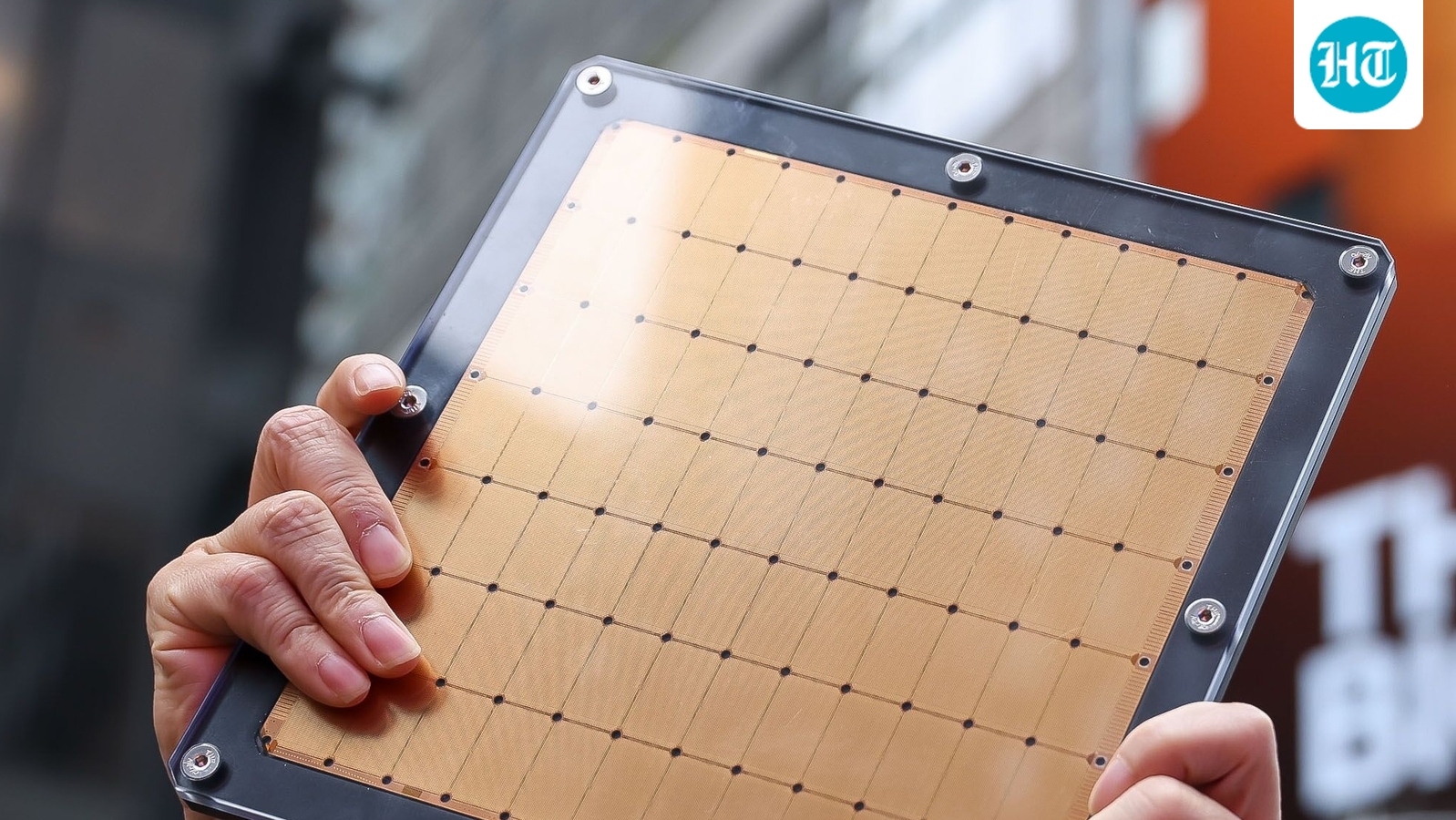
US lawmakers are racing to tighten AI chip export rules for China. The push has gathered speed after a scandal involving Nvidia founder Jensen Huang, according to the Financial Times, as relayed by Hindustan Times. Support runs across both parties.
Several bills are in play. Some would give Congress more power to review chip export approvals. They could also let it block deals the Trump administration has already signed off on. That would be a serious check on the White House.
The trigger is a messy set of allegations. The FT reports that Huang resigned this week after revelations of extramarital affairs. One was reportedly with Alice Huang, an executive at Singapore-based Megaspeed. The report says she is suspected of links to Chinese intelligence. These claims come from the FT's reporting and are not independently verified here.
Megaspeed was already under watch. US authorities have reportedly investigated the company for more than a year over suspicions that it helped smuggle advanced Nvidia chips to China. Lawmakers now want to know how those chips reached the firm at all. Huang had earlier pushed for looser export rules so Nvidia could sell more chips abroad.
Owen Tedford, a senior research analyst at Beacon Research in Washington, said the legislation has gained clear momentum. Nvidia may want to move on, he said, but Congress is not ready to let it. He told the FT that lawmakers are now more determined to examine the company's activities.
One key measure is the Remote Access Security Act. It targets a loophole: Chinese firms can rent powerful chips through overseas cloud services even when they cannot legally buy them. The bill would shut that route.
On Friday, three senior House Republicans urged Congress to pass the export bills immediately. They are John Moolenaar, Brian Mast and Rick Crawford, who lead the committees on China, foreign affairs and intelligence. The stakes are high. Nvidia chips train some of the world's most powerful AI models, including those built by OpenAI and Anthropic. Backers of the curbs say keeping them from China protects America's technological edge.
Read the original report at Hindustan Times.